 +91 919718044428
 rohitgpt18@gmail.com






 Thrombolysis in Acute Stroke
  Botolinum Toxin Injection
  Myasthenia Gravis
  Spine Disorders
  Migraine/Headache
  Epilepsy
  Stroke Paralysis
  Parkinson’s disease
  Multiple Sclerosis
  NeuroInfections
  Brain Tumor
  Alzheimer’s Disease
  Back Pain
  Dementia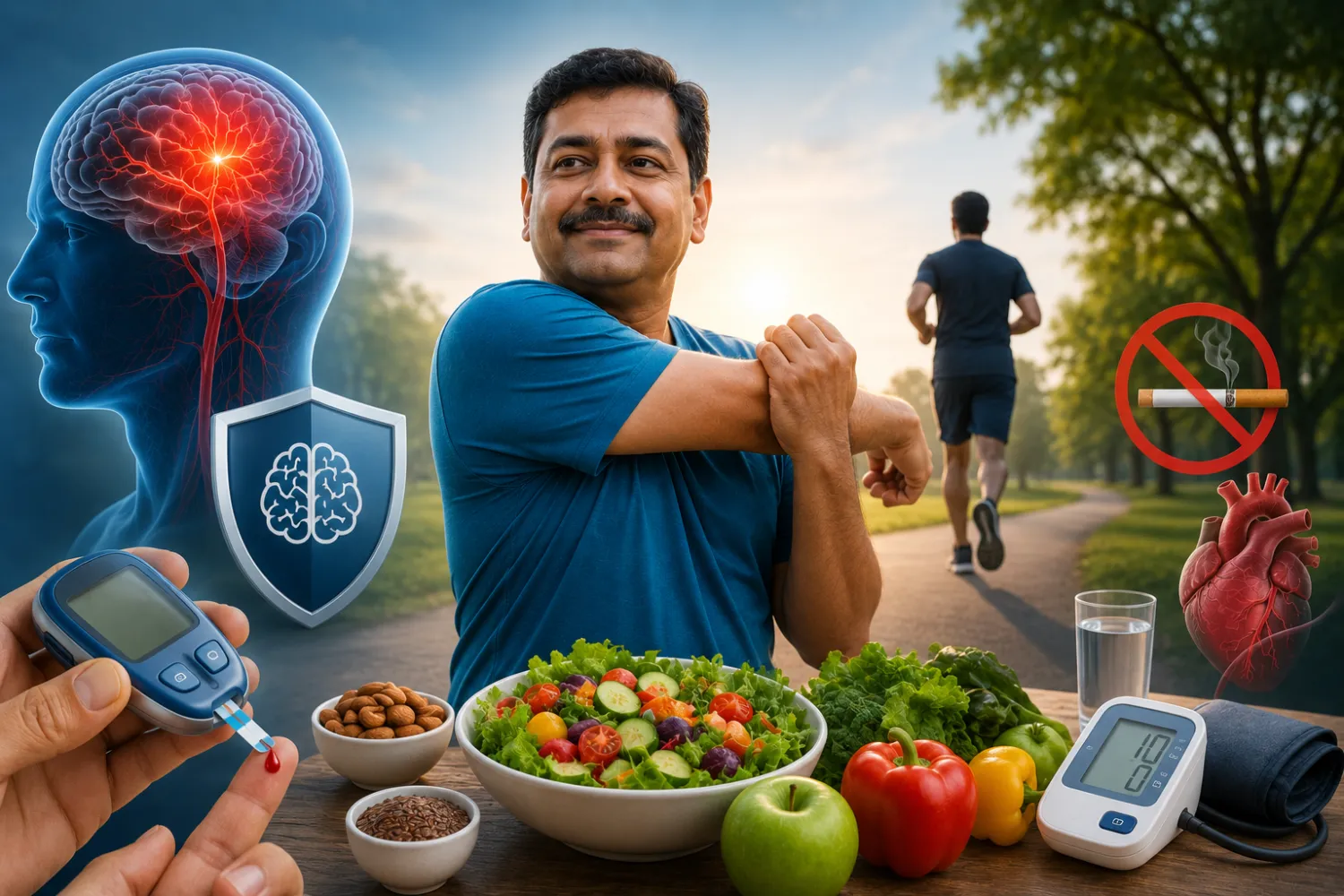
Posted By: Dr. (Prof.) Rohit Gupta on 26 May 2026
Diabetes is one of the most common lifestyle diseases in India and a major risk factor for stroke. People living with diabetes are significantly more likely to develop stroke compared to those without diabetes. High blood sugar levels can damage blood vessels and increase the chances of blockage or bleeding in the brain. The good news is that stroke risk can be reduced with proper diabetes management, healthy lifestyle habits, and regular neurological care. According to Dr. Rohit Gupta, best stroke doctor in Faridabad, India early prevention is the key to protecting brain health and avoiding life-threatening complications such as paralysis, memory loss, and permanent disability. In this article, we will discuss essential stroke prevention tips for diabetic patients, warning signs to watch for, and the importance of early neurological consultation.
Why Does Diabetes Increase Stroke Risk?
Diabetes affects blood circulation and damages blood vessels throughout the body, including those supplying the brain.
High blood sugar levels can:
- Narrow and harden arteries
- Increase blood clot formation
- Raise blood pressure
- Increase cholesterol levels
- Damage nerves and blood vessels
Over time, these changes significantly increase the risk of ischemic stroke and other cardiovascular diseases.
Diabetic patients may also develop silent vascular damage without obvious symptoms, making regular health monitoring extremely important.
What Is a Stroke?
A stroke occurs when blood flow to the brain is interrupted, causing brain cells to lose oxygen and nutrients.
There are two major types of stroke:
- Ischemic Stroke: Caused by blockage of blood vessels
- Hemorrhagic Stroke: Caused by bleeding inside the brain
Both conditions require immediate medical attention.
Common Warning Signs of Stroke
Recognizing stroke symptoms early can save lives.
Important warning signs include:
- Sudden weakness or numbness on one side of the body
- Facial drooping
- Difficulty speaking
- Sudden severe headache
- Blurred or double vision
- Loss of balance
- Confusion
- Difficulty walking
- Dizziness
If you notice any of these symptoms, seek emergency neurological care immediately.
Understanding the FAST Rule
The FAST rule helps identify stroke quickly:
- F – Face Drooping
- A – Arm Weakness
- S – Speech Difficulty
- T – Time to Seek Medical Help
Early treatment improves recovery chances and reduces brain damage.
Stroke Prevention Tips for Diabetic Patients
1. Control Blood Sugar Levels
Managing blood sugar is the most important step in stroke prevention for diabetic patients.
High glucose levels damage blood vessels and increase clot formation.
Tips to maintain healthy blood sugar include:
- Taking medications regularly
- Monitoring glucose levels
- Following a diabetic-friendly diet
- Exercising regularly
- Avoiding sugary foods and drinks
Maintaining HbA1c within the recommended range can significantly reduce stroke risk.
2. Monitor Blood Pressure Regularly
High blood pressure is one of the biggest stroke risk factors in diabetic individuals.
Even mildly elevated blood pressure can damage arteries supplying the brain.
Patients should:
- Monitor blood pressure regularly
- Reduce salt intake
- Take prescribed medications consistently
- Maintain healthy body weight
Proper blood pressure control greatly lowers stroke risk.
3. Follow a Healthy Diet
Diet plays a major role in diabetes and stroke prevention.
A balanced diet should include:
- Fresh fruits and vegetables
- Whole grains
- Lean proteins
- Nuts and seeds
- Healthy fats
Avoid:
- Fried foods
- Processed foods
- Excess sugar
- Junk food
- Sugary beverages
Foods rich in fiber and antioxidants support heart and brain health.
4. Exercise Regularly
Physical activity improves blood circulation, controls blood sugar, reduces stress, and maintains healthy body weight.
Diabetic patients should aim for at least 30 minutes of moderate exercise daily.
Good options include:
- Walking
- Cycling
- Yoga
- Swimming
- Light strength training
Always consult your doctor before starting a new exercise program.
5. Quit Smoking
Smoking damages blood vessels and significantly increases stroke risk.
Nicotine and harmful chemicals in tobacco reduce oxygen supply to the brain and increase clot formation.
Quitting smoking improves blood circulation and reduces cardiovascular complications.
6. Limit Alcohol Consumption
Excessive alcohol intake can raise blood pressure and worsen diabetes control.
Heavy drinking also increases the risk of bleeding in the brain.
Moderation or complete avoidance of alcohol is recommended for diabetic patients.
7. Maintain Healthy Cholesterol Levels
High cholesterol can cause fatty deposits in arteries, reducing blood flow to the brain.
Diabetic patients should regularly monitor:
- LDL cholesterol
- HDL cholesterol
- Triglyceride levels
Healthy eating, exercise, and medications can help control cholesterol effectively.
8. Manage Stress Effectively
Chronic stress negatively affects blood sugar, blood pressure, and overall cardiovascular health.
Stress management techniques include:
- Meditation
- Deep breathing exercises
- Yoga
- Adequate sleep
- Relaxation activities
Mental health is an important part of stroke prevention.
9. Maintain a Healthy Weight
Obesity increases the risk of diabetes complications, hypertension, and stroke.
Even small weight loss can improve blood sugar control and reduce strain on blood vessels.
Healthy weight management requires a combination of diet, exercise, and lifestyle changes.
10. Get Regular Medical Checkups
Routine medical evaluations help detect complications early.
Diabetic patients should regularly monitor:
- Blood sugar
- Blood pressure
- Cholesterol levels
- Heart health
- Kidney function
Neurological consultation may also help identify early warning signs before severe complications occur.
Importance of Early Neurological Care
Many stroke patients ignore symptoms such as headaches, dizziness, numbness, or speech difficulty until the condition becomes serious.
Early neurological assessment can help detect underlying vascular or brain-related problems before they lead to stroke.
How Diabetes Affects the Brain
Poorly controlled diabetes can affect memory, concentration, and cognitive function over time.
It also increases the risk of:
- Mini-strokes (TIA)
- Vascular dementia
- Nerve damage
- Brain circulation problems
Proper diabetes management helps protect long-term brain health.
Why Immediate Stroke Treatment Matters
Stroke is a medical emergency.
Delayed treatment can lead to:
- Paralysis
- Speech loss
- Permanent disability
- Memory impairment
- Brain damage
- Death
Modern stroke treatments are highly effective if provided quickly during the golden hour.
Expert Stroke Care in Faridabad
Dr. Rohit Gupta is known for advanced stroke management, paralysis treatment, migraine care, epilepsy treatment, and neurological rehabilitation.
With extensive expertise in emergency stroke care and neurological disorders, Dr. Rohit Gupta provides comprehensive and compassionate treatment for diabetic patients at risk of stroke.
Book Your Consultation Today
If you have diabetes and experience symptoms such as dizziness, numbness, weakness, severe headache, or speech problems, do not ignore them.
Early diagnosis and treatment can prevent life-threatening complications.
Contact:
- Dr. Rohit Gupta
- Stroke Specialist & Neurologist in Faridabad
- Accord Superspeciality Hospital, Faridabad
- Phone: 09718044428 | 0129-3512000
Frequently Asked Questions (FAQs)1. Does diabetes increase the risk of stroke?
Yes. Diabetes damages blood vessels and significantly increases the chances of stroke.
1. Does diabetes increase the risk of stroke?
Yes. Diabetes damages blood vessels and significantly increases the chances of stroke.
2. Can controlling blood sugar reduce stroke risk?
Yes. Proper diabetes management helps protect blood vessels and lowers stroke risk.
3. What are the early warning signs of stroke?
Common signs include facial drooping, arm weakness, speech difficulty, dizziness, confusion, and severe headache.
4. Can young diabetic patients suffer from stroke?
Yes. Young adults with uncontrolled diabetes, obesity, smoking habits, or hypertension are also at risk.
5. Is exercise important for stroke prevention?
Absolutely. Regular physical activity improves circulation, controls diabetes, and supports heart and brain health.
6. Should diabetic patients monitor blood pressure regularly?
Yes. High blood pressure is a major stroke risk factor and should be monitored carefully.
7. Which doctor should diabetic patients consult for stroke prevention?
A neurologist or stroke specialist can help assess neurological health and stroke risk.
8. Where can I get expert stroke care in Faridabad?
Dr. Rohit Gupta provides advanced stroke and neurological treatment at Accord Superspeciality Hospital, Faridabad.










 Book an Appointment