 +91 919718044428
 rohitgpt18@gmail.com






 Thrombolysis in Acute Stroke
  Botolinum Toxin Injection
  Myasthenia Gravis
  Spine Disorders
  Migraine/Headache
  Epilepsy
  Stroke Paralysis
  Parkinson’s disease
  Multiple Sclerosis
  NeuroInfections
  Brain Tumor
  Alzheimer’s Disease
  Back Pain
  Dementia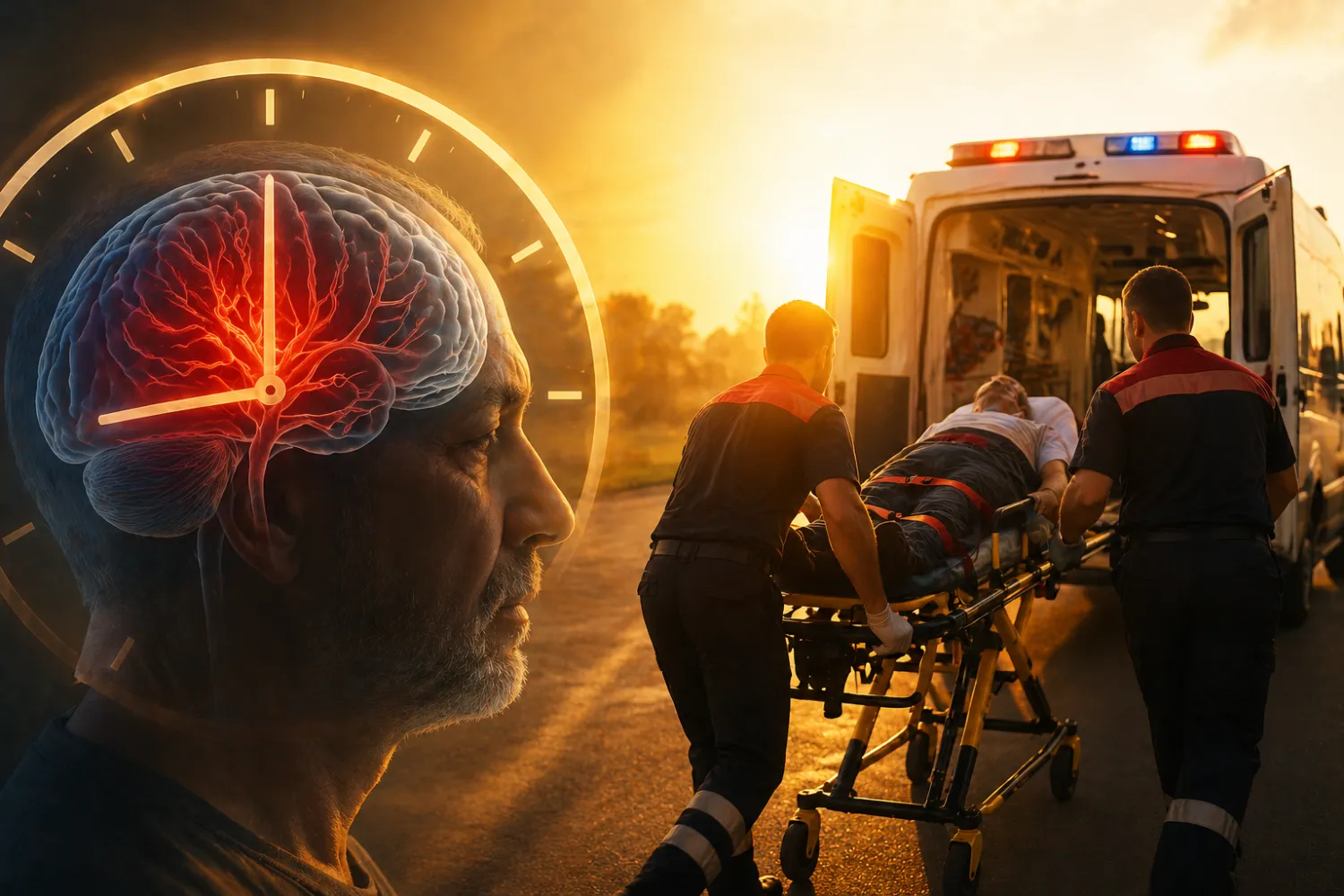
Posted By: Dr. (Prof.) Rohit Gupta on 28 Apr 2026
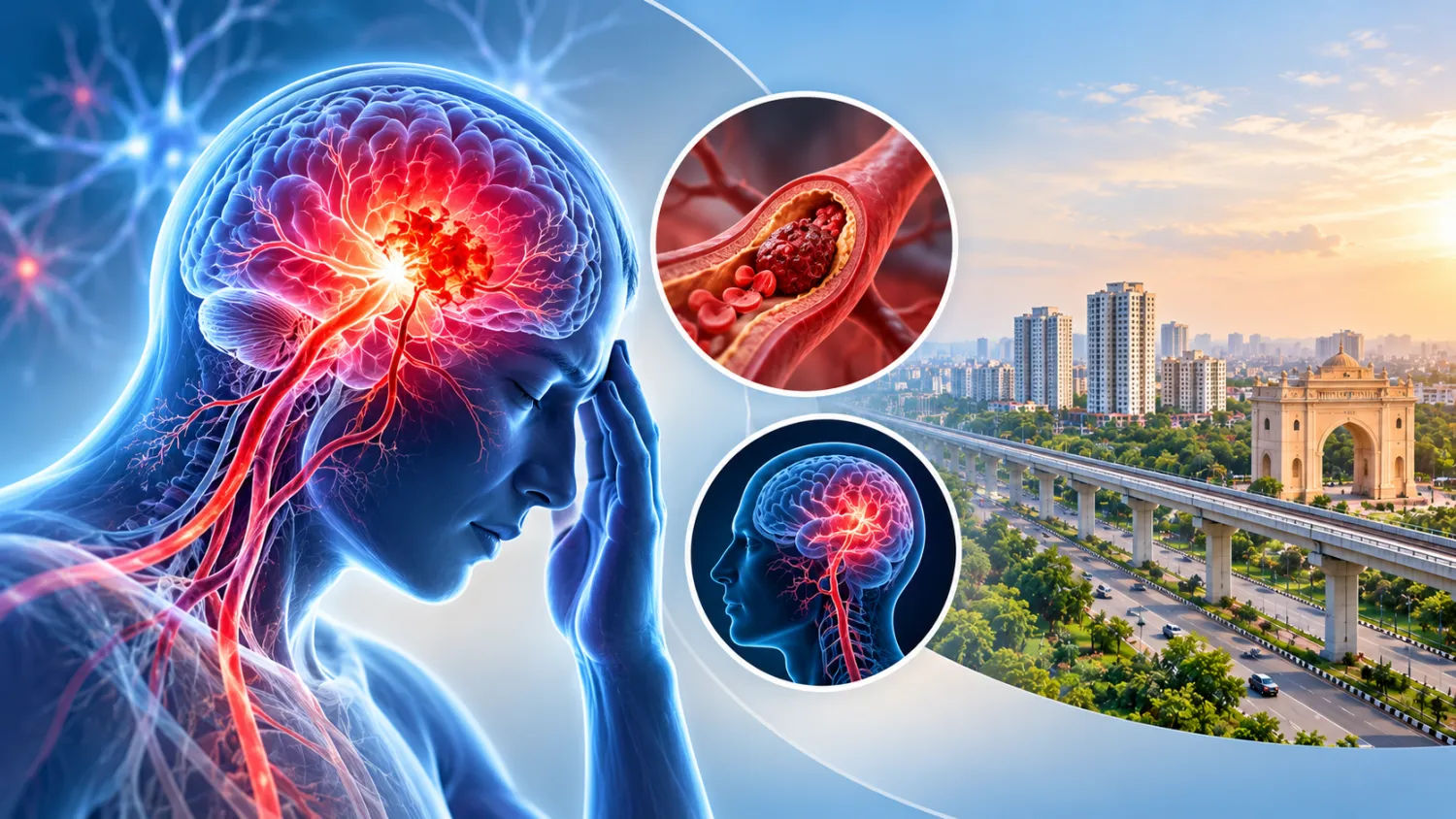
A brain stroke is one of the most time-sensitive medical emergencies. In stroke care, there is a critical concept known as the “Golden Hour”—a short window of time immediately after symptoms begin, when prompt medical treatment can save brain tissue, prevent paralysis, and even save a life.
According to leading neurologist Dr Rohit Gupta, “In stroke, every minute matters. The faster you act, the more brain you save.”
What is the Golden Hour in Stroke?
The Golden Hour refers to the first 60 minutes after the onset of stroke symptoms. While some treatments can still be effective within a few hours, this initial period is the most crucial for:
- Minimizing brain damage
- Restoring blood flow
- Improving recovery outcomes
In medical terms, stroke is often described with the phrase:
🧠 “Time is Brain.”
This means that with every passing minute, brain cells are dying due to lack of oxygen.
What Happens During a Stroke?
A stroke occurs when blood supply to a part of the brain is interrupted. There are two main types:
1. Ischemic Stroke (Most Common)
- Caused by a blood clot blocking a vessel
- Accounts for nearly 80–85% of strokes
2. Hemorrhagic Stroke
- Caused by bleeding in the brain
- Often associated with high blood pressure
In both cases, brain cells begin to die rapidly, leading to symptoms like paralysis, speech difficulty, and loss of coordination.
Why Every Minute Counts
During a stroke:
- Nearly 1.9 million brain cells die every minute
- The brain ages rapidly in a short time
- Delay in treatment increases the risk of permanent disability or death
💥 This is why early treatment during the Golden Hour can mean the difference between:
- Full recovery vs lifelong disability
- Mild weakness vs severe paralysis
- Life vs death
Recognizing Stroke Early — The FAST Rule
Early recognition is the key to utilizing the Golden Hour effectively.
F.A.S.T. Signs:
- F – Face drooping: One side of the face appears uneven
- A – Arm weakness: Difficulty lifting one arm
- S – Speech difficulty: Slurred or unclear speech
- T – Time to act: Call emergency services immediately
Other symptoms may include:
- Sudden severe headache
- Vision problems
- Dizziness or loss of balance
What to Do During the Golden Hour
If you suspect a stroke:
- Do not wait for symptoms to improve
- Call emergency services immediately
- Reach the nearest stroke-ready hospital
- Note the exact time symptoms started
Avoid giving food, water, or medication without medical advice.
Advanced Stroke Treatments Available
Thanks to advancements in neurology, several effective treatments are available—especially if the patient arrives within the Golden Hour.
🩺 1. IV Thrombolysis
- A clot-dissolving injection
- Most effective within 3–4.5 hours
- Can reverse symptoms if given early
🧠 2. Mechanical Thrombectomy
- A minimally invasive procedure
- Removes the clot using a catheter
- Effective up to 6–24 hours in selected cases
💊 3. Supportive & Preventive Care
- Blood pressure control
- Antiplatelet and anticoagulant therapy
- Management of diabetes and cholesterol
How the Golden Hour Impacts Recovery
The earlier the treatment, the better the outcome:
| Time to Treatment | Possible Outcome |
|---|---|
| Within 1 hour | Maximum recovery potential |
| 1–3 hours | Significant recovery possible |
| 3–6 hours | Moderate benefit |
| Beyond 6 hours | Increased risk of permanent damage |
As emphasized by Dr Rohit Gupta, many patients who reach the hospital early walk back home without major disability, while delays often lead to long-term paralysis.
Stroke Care in Faridabad & Delhi NCR
Access to timely and expert care plays a vital role in stroke outcomes.
Dr Rohit Gupta is recognized as one of the best doctors for stroke treatment in Faridabad and Delhi NCR, known for:
- Rapid stroke diagnosis and intervention
- Expertise in thrombolysis and advanced stroke care
- Personalized rehabilitation guidance
- High success rate in early stroke management
Common Causes & Risk Factors for Stroke
Understanding risk factors can help in prevention:
- High blood pressure (hypertension)
- Diabetes
- High cholesterol
- Smoking
- Obesity
- Sedentary lifestyle
- Heart diseases
- Stress
Stroke Prevention Tips
✔ Monitor blood pressure regularly
✔ Maintain a healthy diet
✔ Exercise daily
✔ Avoid smoking and excessive alcohol
✔ Control diabetes and cholesterol
✔ Manage stress effectively
Conclusion
The Golden Hour in stroke is not just a medical term—it is a lifesaving opportunity. Acting quickly can prevent paralysis, reduce complications, and even save a life.
Remember:
🧠 Time lost is brain lost.
If you or someone around you shows signs of stroke, do not delay. Seek immediate medical attention and ensure the best possible outcome with expert care from specialists like Dr Rohit Gupta.
FAQs on Golden Hour in Stroke
1. What is the Golden Hour in stroke?
It is the first 60 minutes after stroke symptoms begin, when immediate treatment offers the best chance of recovery.
2. Why is early treatment important in stroke?
Because brain cells die rapidly without oxygen. Early treatment helps save brain tissue and prevent permanent damage.
3. What is the ideal time to reach the hospital?
As soon as possible—preferably within 1 hour, but treatment can still help within 4.5 hours or more depending on the case.
4. Can stroke be reversed if treated early?
Yes, in many cases, early treatment like thrombolysis can significantly reverse symptoms.
5. What happens if stroke treatment is delayed?
Delay can lead to permanent paralysis, disability, or even death.
6. What is thrombolysis?
It is a treatment where a clot-dissolving injection is given to restore blood flow in the brain.
7. Who is at higher risk of stroke?
People with high BP, diabetes, heart disease, obesity, and unhealthy lifestyle habits.
8. Which doctor should I consult for stroke?
A neurologist is the best specialist for stroke diagnosis and treatment.



 Book an Appointment