 +91 919718044428
 rohitgpt18@gmail.com






 Thrombolysis in Acute Stroke
  Botolinum Toxin Injection
  Myasthenia Gravis
  Spine Disorders
  Migraine/Headache
  Epilepsy
  Stroke Paralysis
  Parkinson’s disease
  Multiple Sclerosis
  NeuroInfections
  Brain Tumor
  Alzheimer’s Disease
  Back Pain
  Dementia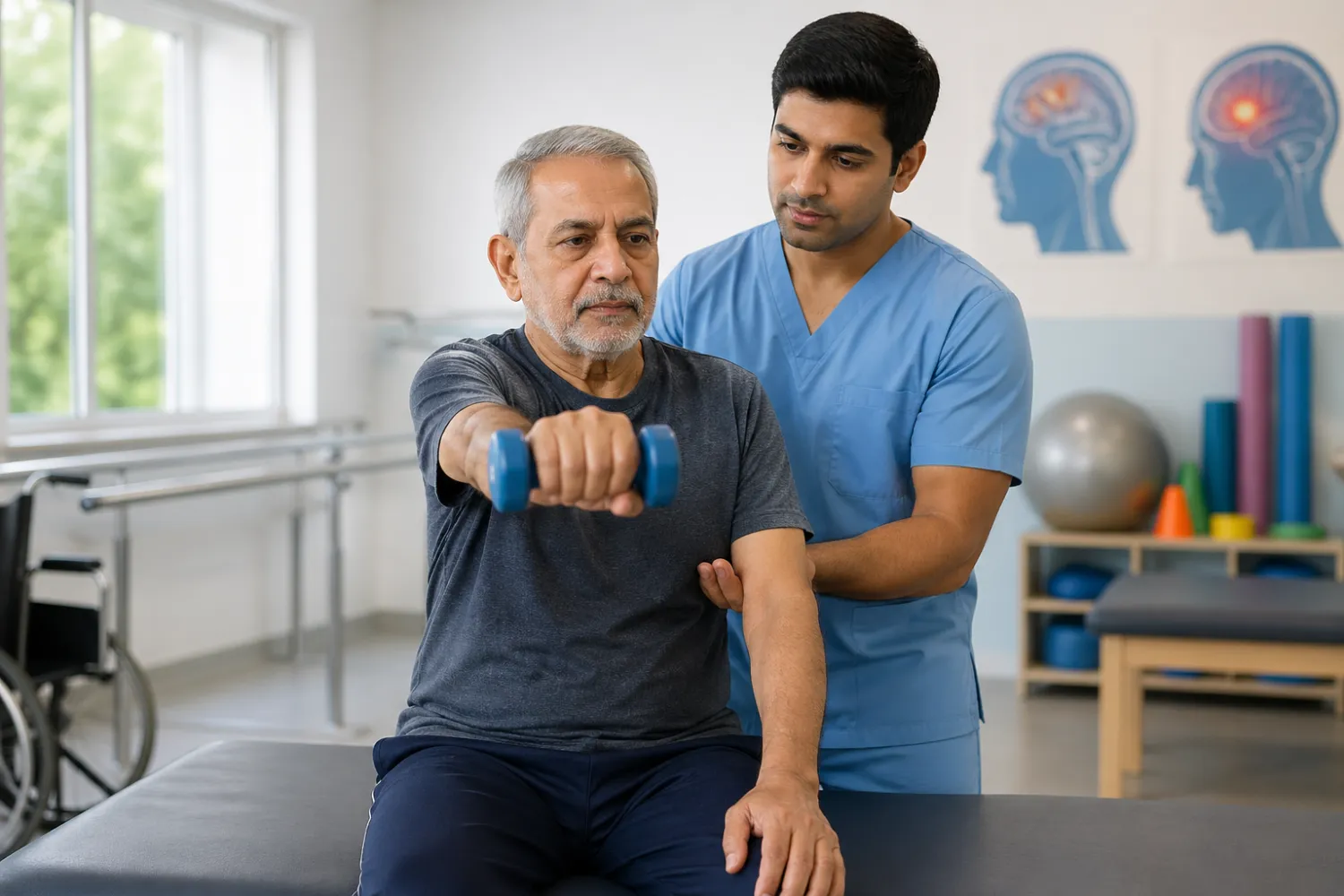
Posted By: Dr. (Prof.) Rohit Gupta on 20 Apr 2026
A stroke is a medical emergency that can change a person’s life in minutes. One of the most common and frightening outcomes of stroke is paralysis, where a person loses the ability to move one side of the body. Families often ask a critical question: “Can paralysis after stroke be reversed?”
The answer is yes—partially or even significantly in many cases, but it depends on how quickly treatment begins, the severity of the stroke, and the quality of rehabilitation.
Leading neurologist Dr Rohit Gupta emphasizes that “Time is brain”—the sooner treatment starts, the higher the chances of recovery.
What Happens During a Stroke?
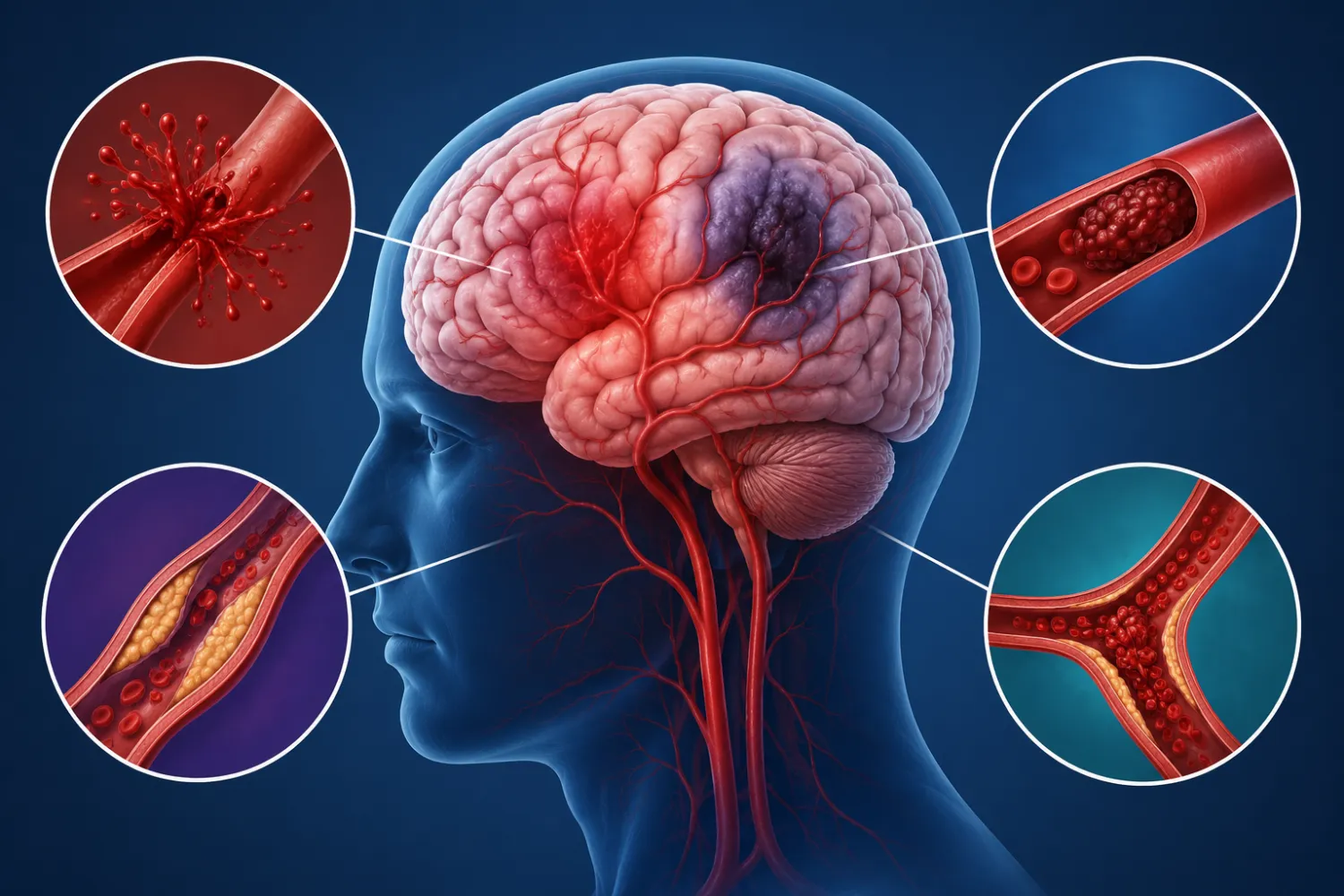
A stroke occurs when the blood supply to a part of the brain is interrupted. This can happen due to:
- Ischemic stroke (blockage due to a clot)
- Hemorrhagic stroke (bleeding in the brain)
When brain cells are deprived of oxygen, they begin to die within minutes. Since the brain controls body movements, damage to specific areas can result in paralysis, usually affecting one side of the body (hemiplegia).
Why Does Paralysis Occur After Stroke?
The brain has specialized areas responsible for movement. If these areas are damaged:
- Signals from the brain to muscles are disrupted
- Muscles become weak or completely inactive
- Coordination and balance are affected
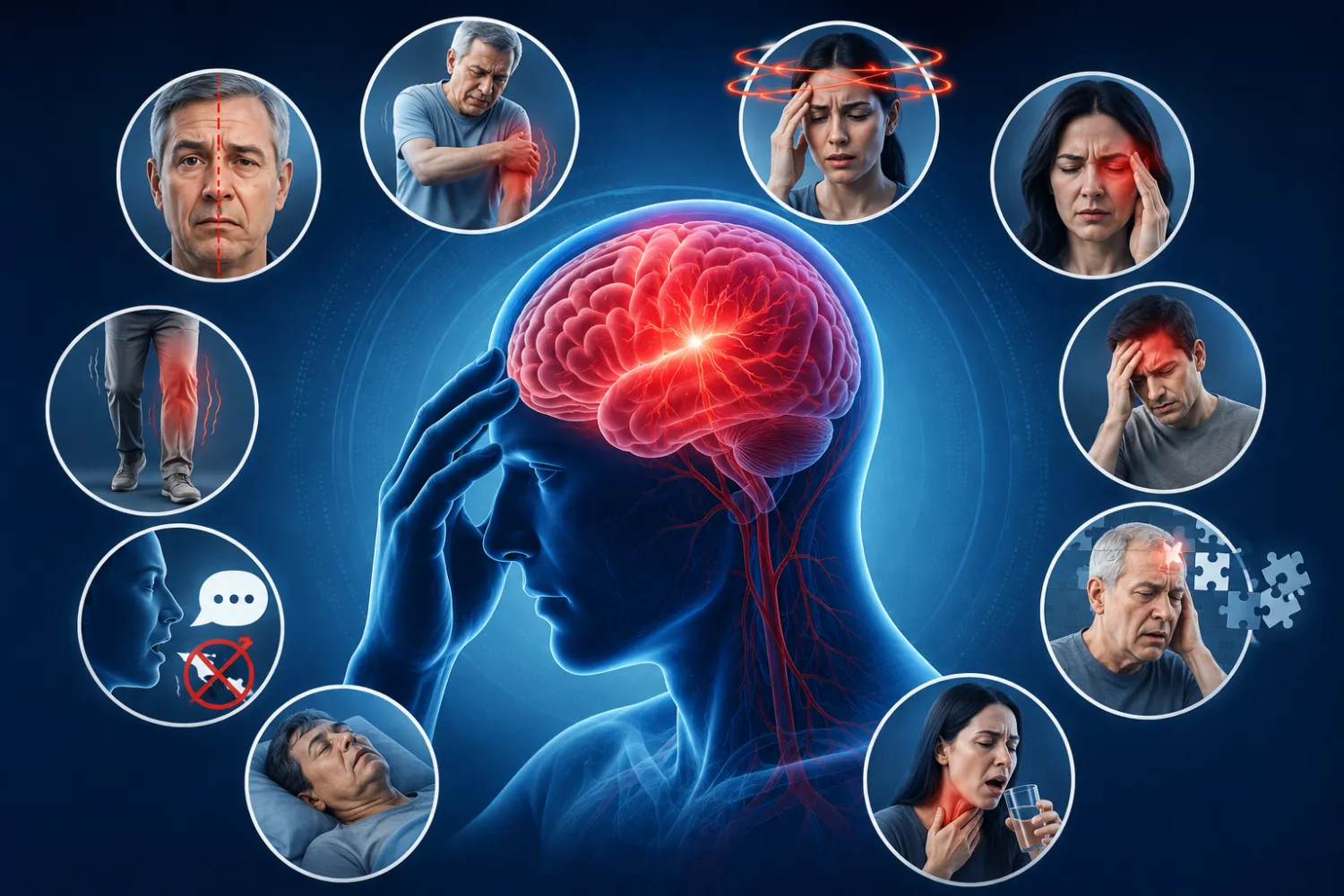
This leads to symptoms like:
- Weakness or numbness in the face, arm, or leg
- Difficulty speaking or understanding speech
- Loss of balance or coordination
Can Paralysis After Stroke Be Reversed?
✔ The Good News
In many cases, stroke paralysis can improve significantly, especially with early treatment and proper rehabilitation.
✔ What Determines Recovery?
Recovery depends on several factors:
- Time of Treatment
- Patients treated within the golden window (3–4.5 hours) have the best outcomes
- Type and Severity of Stroke
- Smaller strokes generally have better recovery
- Area of Brain Affected
- Some brain regions recover faster than others
- Patient’s Age & Overall Health
- Younger and healthier individuals tend to recover faster
- Rehabilitation Efforts
- Consistent physiotherapy and therapy play a crucial role
Advanced Stroke Treatment Options in India
India has made remarkable progress in stroke care, offering world-class treatments at accessible costs.
🩺 1. IV Thrombolysis
- A clot-busting injection given within the golden hours
- Helps dissolve the clot and restore blood flow
🧠 2. Mechanical Thrombectomy
- A minimally invasive procedure
- A catheter is used to remove the clot from the brain
- Highly effective in selected cases
💊 3. Medications
- Blood thinners
- Anti-platelet drugs
- Medicines to control blood pressure, diabetes, and cholesterol
Role of Rehabilitation in Reversing Paralysis
Recovery doesn’t stop after emergency treatment—it begins there.
🏃 Physiotherapy
- Improves muscle strength and mobility
- Helps regain movement in affected limbs
🗣 Speech Therapy
- Helps patients with speech and swallowing difficulties
🧠 Occupational Therapy
- Helps patients regain independence in daily activities
🧘 Mental & Emotional Support
- Depression and anxiety are common after stroke
- Counseling and support improve recovery outcomes
How Long Does Recovery Take?
Recovery is a gradual process:
- First 3 months: Maximum improvement phase
- 3–6 months: Continued progress
- Beyond 6 months: Slower but possible improvement
Some patients may recover almost completely, while others may have partial disability—but consistent therapy can make a significant difference.
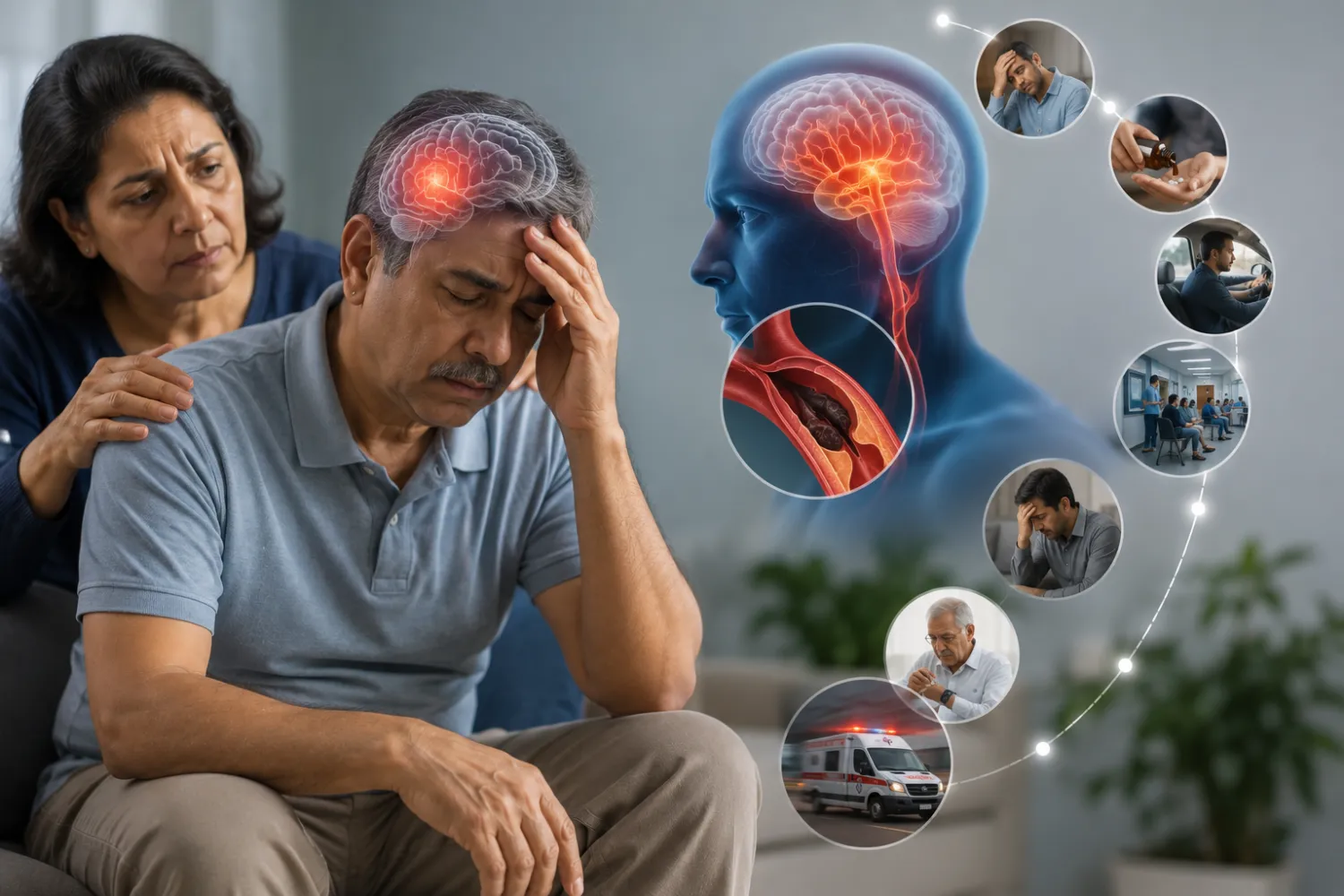
Warning Signs of Stroke — Act FAST
Recognizing stroke early can save a life and prevent paralysis.
F.A.S.T. Rule:
- F – Face drooping
- A – Arm weakness
- S – Speech difficulty
- T – Time to call emergency services
Why Early Treatment is Critical
Delaying treatment can lead to:
- Permanent brain damage
- Irreversible paralysis
- Higher risk of complications
According to Dr Rohit Gupta, many patients who reach the hospital within 1–2 hours recover significantly, while delays often result in long-term disability.
Stroke Care in Faridabad & Delhi NCR
For patients in Faridabad and Delhi NCR, access to expert neurological care is crucial.
Dr Rohit Gupta is widely regarded as one of the best doctors for stroke treatment in Faridabad and Delhi NCR, known for:
- Expertise in advanced stroke management
- Timely diagnosis and intervention
- Comprehensive rehabilitation guidance
- Patient-centric care approach
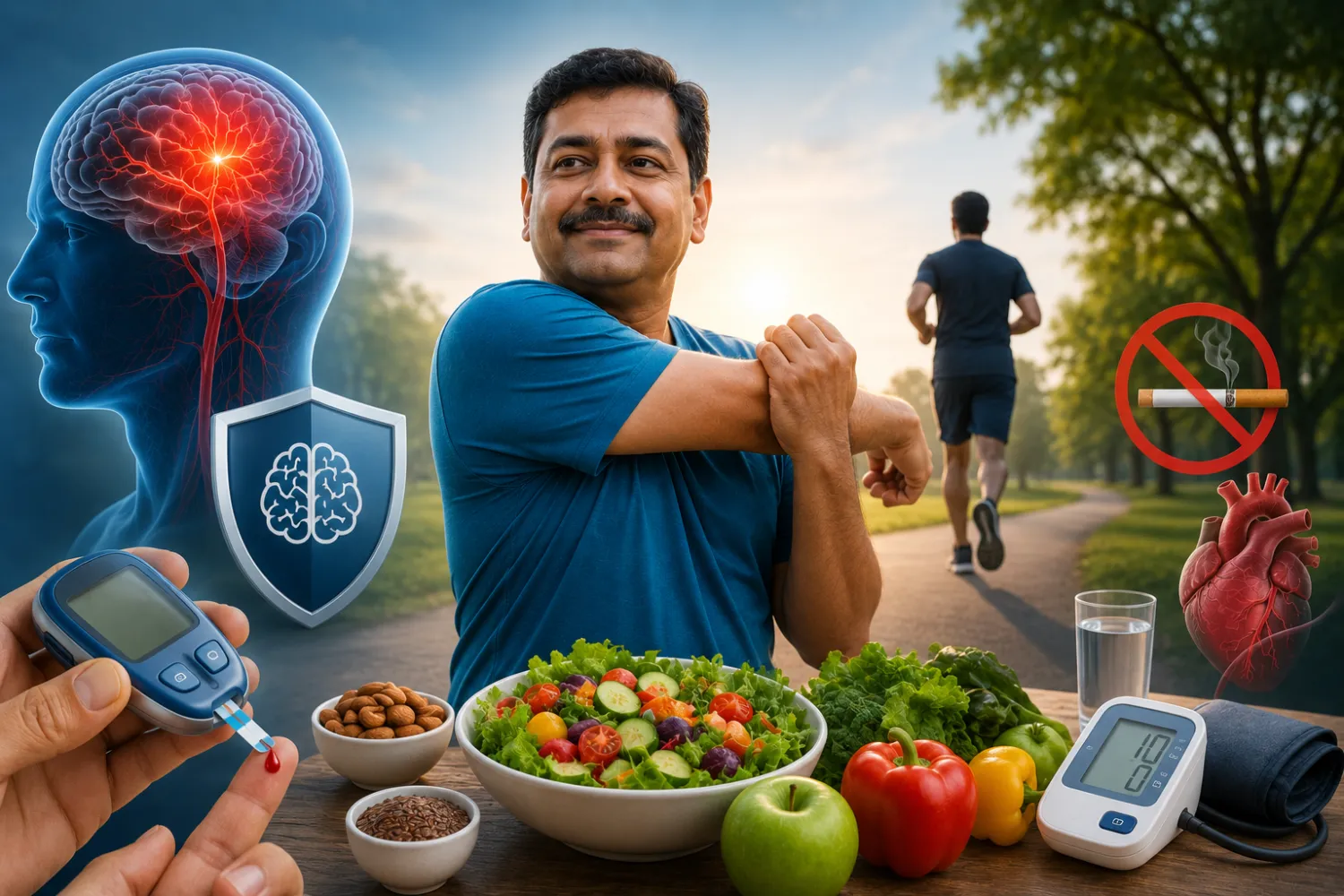
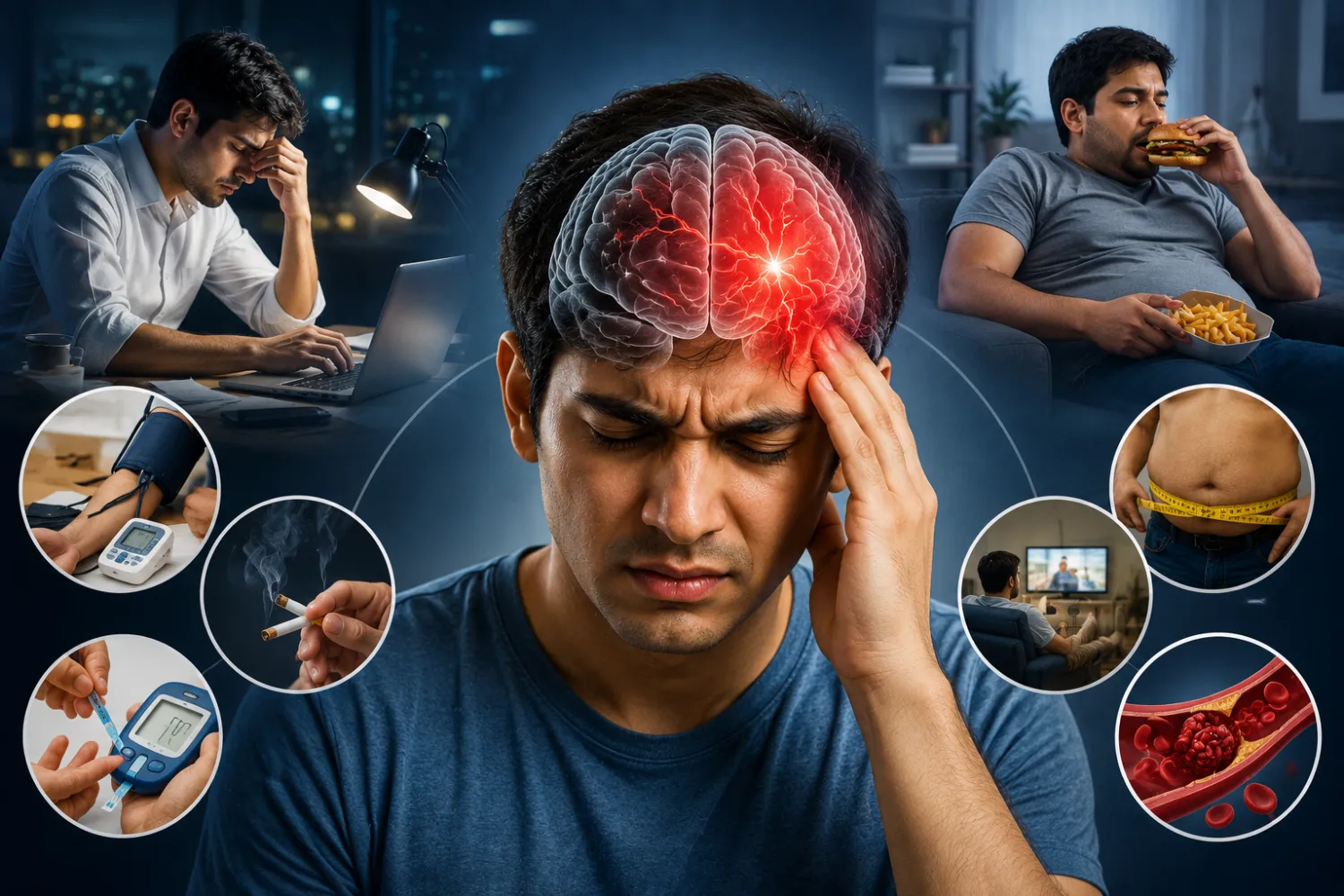
Tips to Prevent Stroke & Paralysis
Prevention is always better than cure.
✔ Control blood pressure
✔ Manage diabetes and cholesterol
✔ Quit smoking
✔ Maintain a healthy weight
✔ Exercise regularly
✔ Avoid excessive alcohol
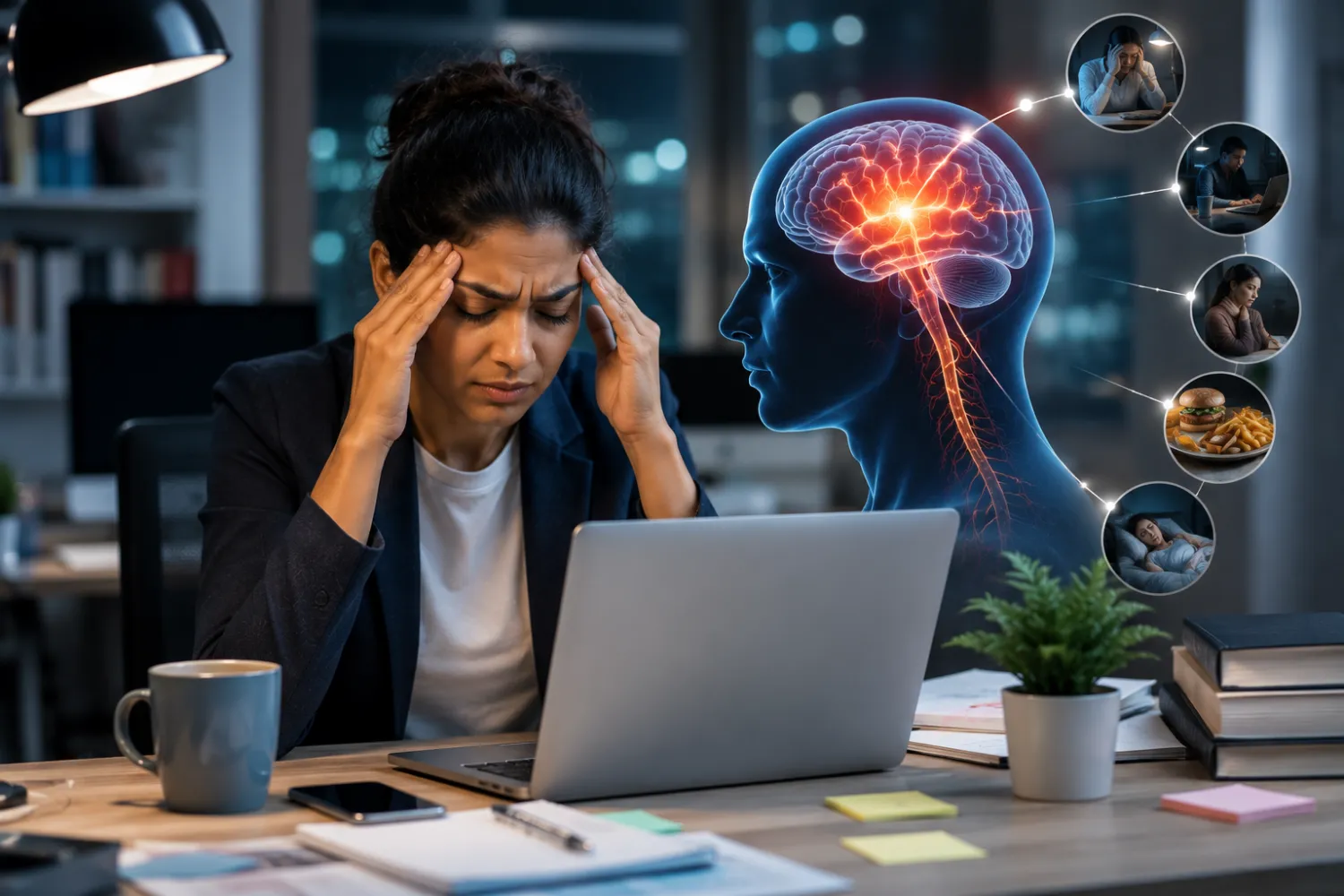
✔ Manage stress
Conclusion
Paralysis after stroke can be life-altering, but it is not always permanent. With early medical intervention, advanced treatments, and dedicated rehabilitation, many patients can regain independence and improve their quality of life.
The key lies in awareness, timely action, and expert care. If you or your loved one shows signs of stroke, do not delay—every second counts.
FAQs on Stroke Paralysis Treatment
1. Can stroke paralysis be completely cured?
In some cases, yes. Many patients experience partial or near-complete recovery, especially with early treatment and rehabilitation.
2. What is the golden time for stroke treatment?
The first 3–4.5 hours after symptom onset is the most critical window for effective treatment.
3. How long does it take to recover from stroke paralysis?
Recovery can take weeks to months, and sometimes longer depending on severity and therapy.
4. Is physiotherapy necessary after stroke?
Yes, physiotherapy is essential to regain strength, mobility, and coordination.
5. What are the first signs of stroke?
Face drooping, arm weakness, and speech difficulty are the most common early signs.
6. Can young people have strokes?
Yes, strokes can occur at any age, especially with risk factors like stress, lifestyle issues, or medical conditions.
7. Which doctor should I consult for stroke treatment?
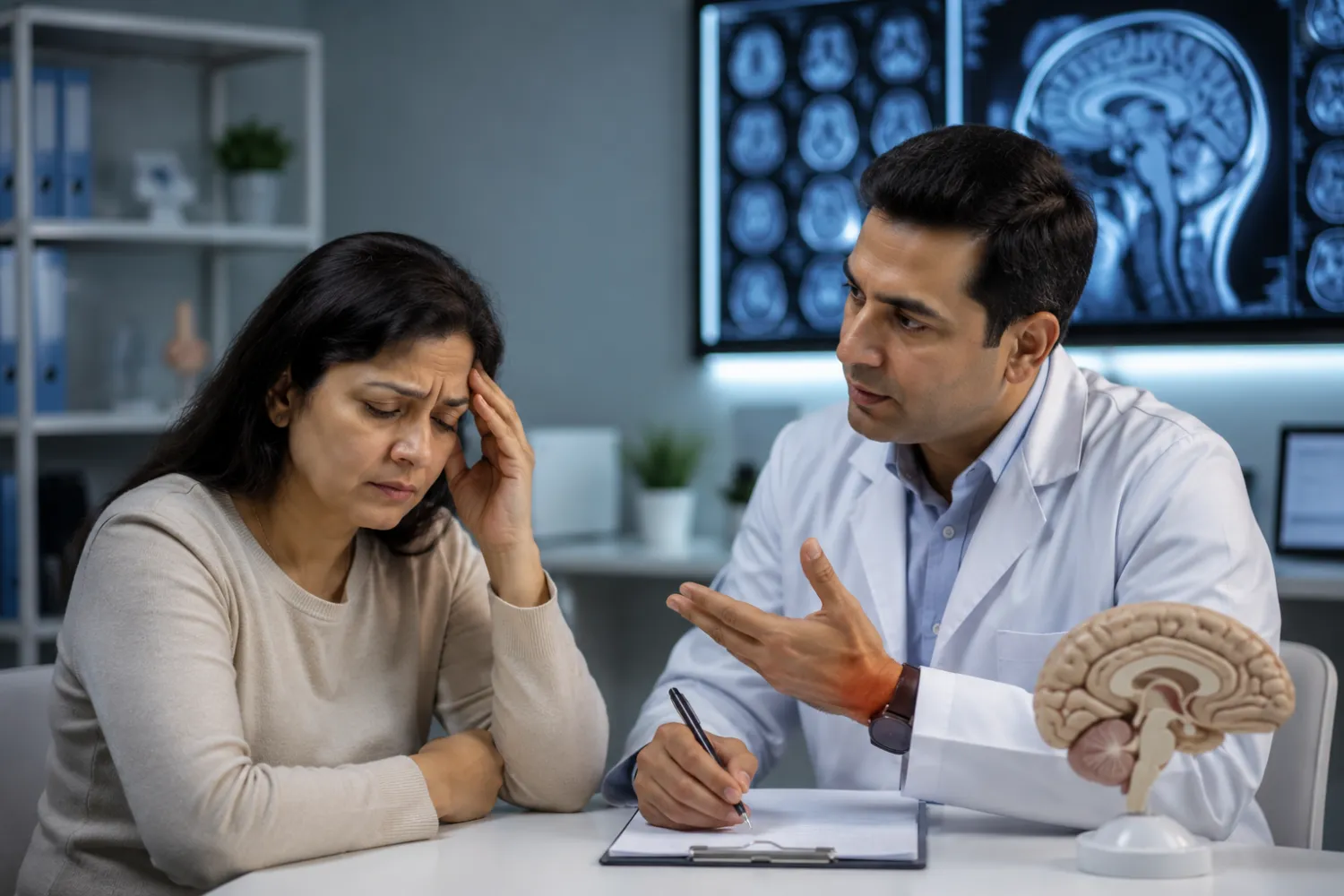
A neurologist is the right specialist for stroke diagnosis and treatment.
8. How can I reduce my risk of stroke?
By controlling blood pressure, maintaining a healthy lifestyle, and regular health check-ups.

 Book an Appointment