 +91 919718044428
 rohitgpt18@gmail.com






 Thrombolysis in Acute Stroke
  Botolinum Toxin Injection
  Myasthenia Gravis
  Spine Disorders
  Migraine/Headache
  Epilepsy
  Stroke Paralysis
  Parkinson’s disease
  Multiple Sclerosis
  NeuroInfections
  Brain Tumor
  Alzheimer’s Disease
  Back Pain
  Dementia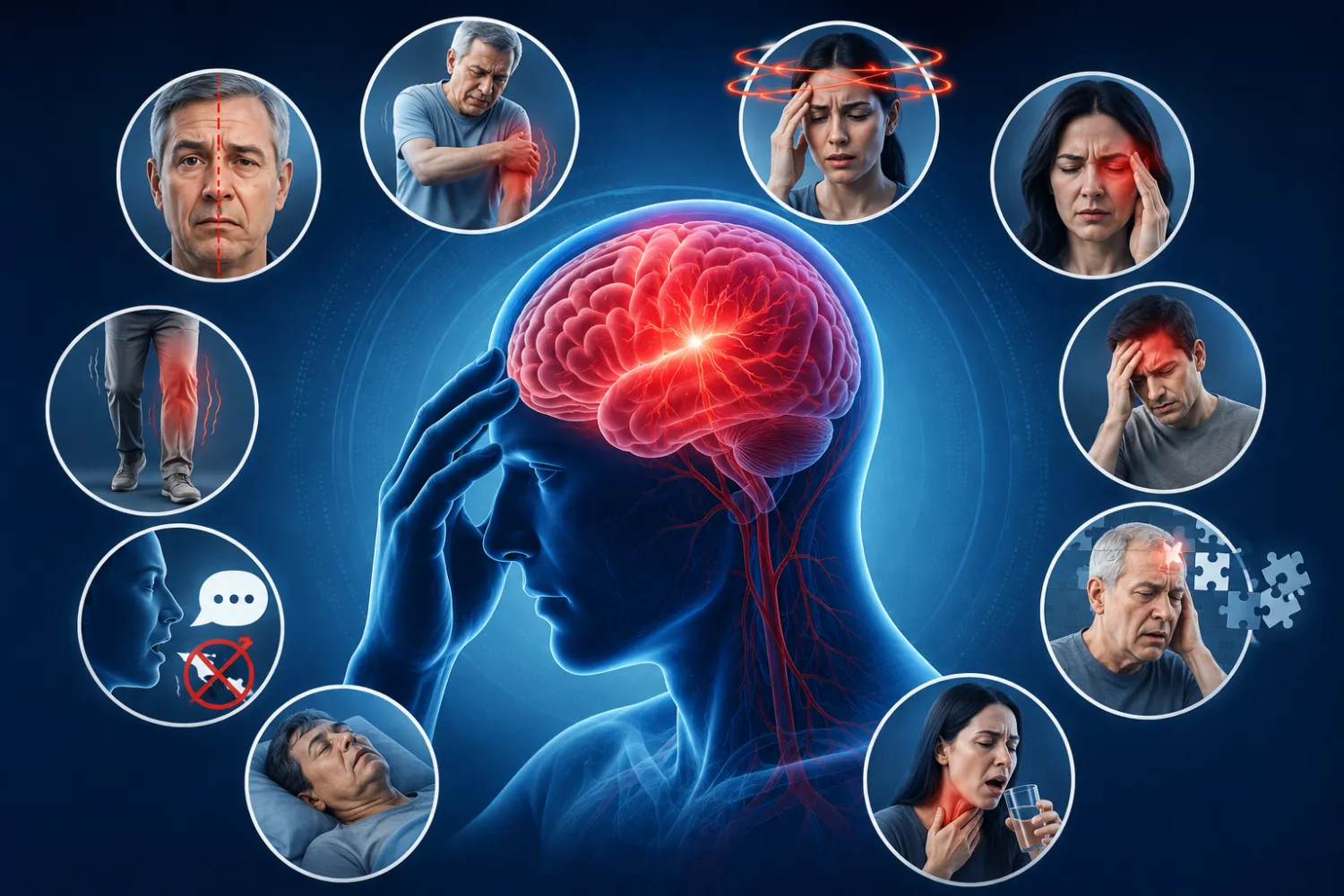
Posted By: Dr. (Prof.) Rohit Gupta on 07 May 2026
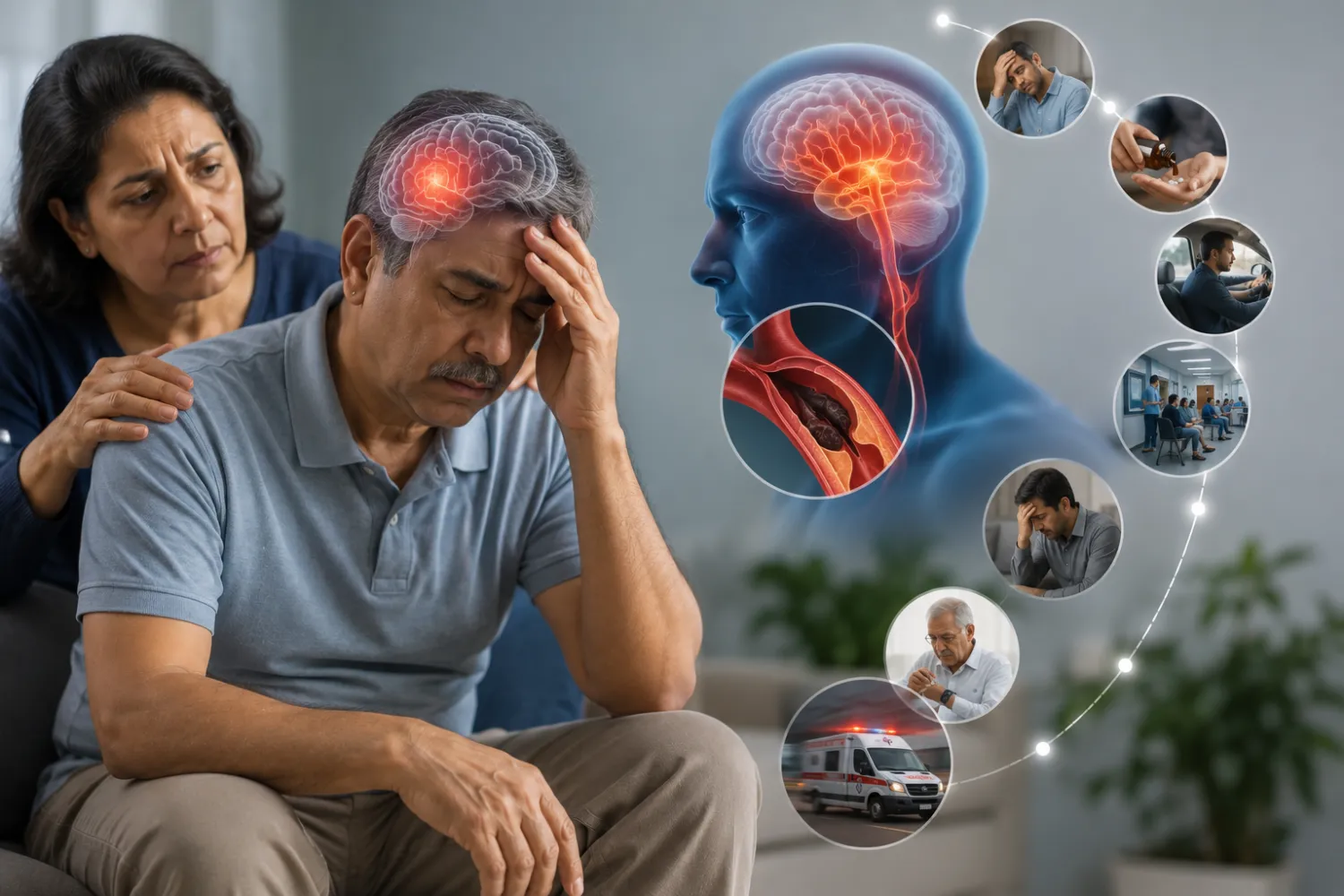
Stroke is one of the leading causes of death and long-term disability worldwide. In India, the number of stroke cases is rising rapidly, especially among younger adults due to stress, hypertension, diabetes, smoking, obesity, and unhealthy lifestyles. The good news is that many strokes can be prevented or treated effectively if patients receive medical attention quickly. Recognizing the early warning signs of stroke can save a life — possibly your own or that of a loved one. Every minute matters because a stroke can damage millions of brain cells within minutes. Timely treatment by an experienced neurologist and stroke specialist significantly improves recovery outcomes.
According to Dr. Rohit Gupta, early diagnosis and emergency stroke care are critical for preventing permanent brain damage, paralysis, speech loss, and other severe complications.
In this article, we will discuss the 10 early warning signs of stroke you should never ignore.
What Is a Stroke?
A stroke occurs when the blood supply to a part of the brain is interrupted or reduced, preventing brain tissue from receiving oxygen and nutrients. Brain cells begin to die within minutes.
There are mainly two types of stroke:
- Ischemic Stroke – caused by a blocked blood vessel
- Hemorrhagic Stroke – caused by bleeding in the brain
Both conditions require immediate medical attention.
10 Early Warning Signs of Stroke
1. Sudden Weakness or Numbness on One Side of the Body
One of the most common warning signs of stroke is sudden weakness, numbness, or paralysis in the face, arm, or leg — especially on one side of the body.
A person may suddenly find it difficult to lift one arm, smile properly, or walk normally. Facial drooping is a classic sign that should never be ignored.
If you notice these symptoms, seek emergency neurological care immediately.
2. Difficulty Speaking or Understanding Speech
Stroke can affect the parts of the brain responsible for language and communication.
Warning signs include:
- Slurred speech
- Inability to speak clearly
- Difficulty understanding others
- Confused or inappropriate responses
Even temporary speech problems may indicate a transient ischemic attack (TIA), also called a mini-stroke.
3. Sudden Severe Headache
A sudden, intense headache without a known cause can be a sign of a hemorrhagic stroke.
The headache may be accompanied by:
- Vomiting
- Dizziness
- Blurred vision
- Neck stiffness
- Loss of consciousness
People often describe it as “the worst headache of my life.”
4. Loss of Balance or Coordination
If someone suddenly experiences difficulty walking, dizziness, imbalance, or lack of coordination, it may indicate a stroke affecting the cerebellum or brainstem.
This symptom is especially dangerous because many people mistake it for weakness, fatigue, or low blood pressure.
5. Sudden Vision Problems
Stroke can affect the eyes and visual pathways in the brain.
Symptoms may include:
- Blurred vision
- Double vision
- Loss of vision in one eye
- Partial blindness
Never ignore sudden changes in vision, especially when combined with other neurological symptoms.
6. Facial Drooping
Ask the person to smile. If one side of the face droops or appears uneven, it could be a stroke.
This happens because the nerves controlling facial muscles become affected due to interrupted blood flow to the brain.
Facial asymmetry is one of the easiest signs to identify quickly.
7. Sudden Confusion
A stroke can impair thinking and mental clarity.
The person may suddenly:
- Become confused
- Forget familiar names
- Be unable to answer simple questions
- Appear disoriented
Family members often notice these changes first.
8. Difficulty Swallowing
Some stroke patients develop swallowing difficulties, known as dysphagia.
Signs include:
- Choking while eating
- Difficulty swallowing water
- Coughing during meals
- Feeling food stuck in the throat
This symptom requires immediate evaluation because it increases the risk of aspiration pneumonia.
9. Sudden Fatigue or Loss of Consciousness
Extreme fatigue, fainting, or sudden unconsciousness may indicate a major stroke.
In severe cases, the patient may become unresponsive or collapse suddenly. Emergency hospitalization is critical in such situations.
10. Mini-Stroke (TIA) Symptoms
A Transient Ischemic Attack (TIA) is often called a warning stroke.
Symptoms are similar to stroke but usually disappear within minutes or hours.
Many people ignore TIAs because symptoms improve quickly. However, TIAs are serious warning signs that a major stroke could occur soon.
Immediate consultation with a neurologist is essential.
Remember the FAST Rule
The FAST test is an easy way to identify stroke symptoms quickly:
- F – Face Drooping
- A – Arm Weakness
- S – Speech Difficulty
- T – Time to Call Emergency Services
The faster treatment begins, the greater the chances of recovery.
Why Immediate Stroke Treatment Matters
During a stroke, brain cells die rapidly. Delayed treatment can lead to:
- Permanent paralysis
- Speech loss
- Memory problems
- Disability
- Brain damage
- Death
Modern stroke treatments such as clot-busting injections (thrombolysis) and advanced neurological care can save lives if provided within the golden hour.
This is why immediate evaluation by an experienced stroke specialist is extremely important.
Common Stroke Risk Factors
Several health conditions and lifestyle habits increase stroke risk, including:
- High blood pressure
- Diabetes
- Smoking
- High cholesterol
- Obesity
- Stress
- Heart disease
- Excessive alcohol consumption
- Physical inactivity
Regular health checkups and early neurological consultation can help reduce stroke risk significantly.
Stroke Prevention Tips
Here are some expert-recommended ways to lower your risk of stroke:
- Maintain healthy blood pressure
- Control diabetes and cholesterol
- Exercise regularly
- Avoid smoking and tobacco
- Limit alcohol intake
- Eat a balanced diet
- Manage stress effectively
- Sleep adequately
- Get regular neurological evaluations if you are high-risk
When Should You Consult a Stroke Specialist?
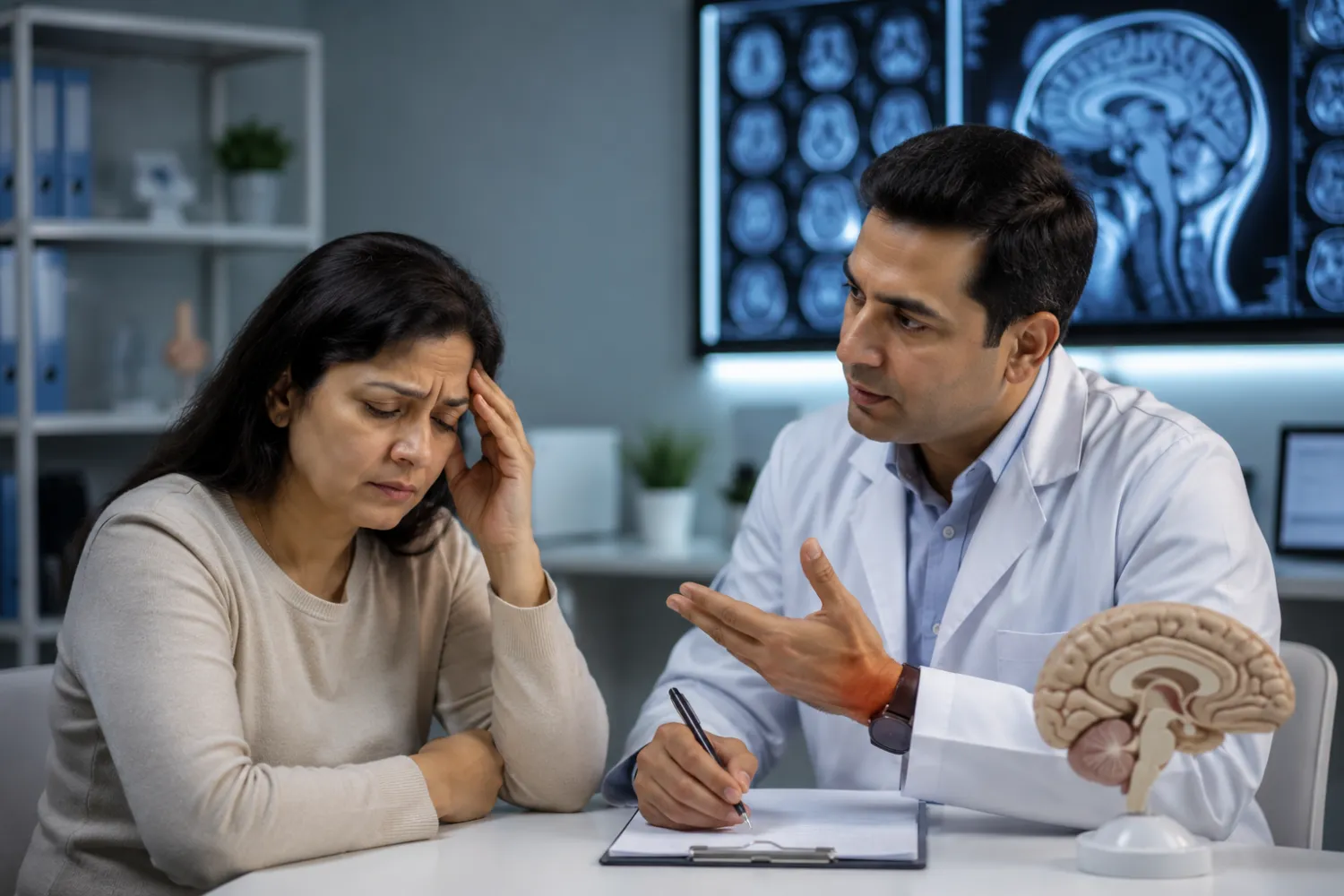
You should consult a neurologist immediately if you experience:
- Repeated headaches
- Sudden weakness
- Vision problems
- Dizziness
- Memory changes
- Speech difficulties
- Numbness in arms or legs
Early diagnosis can prevent severe complications.
Expert Stroke Care in Faridabad
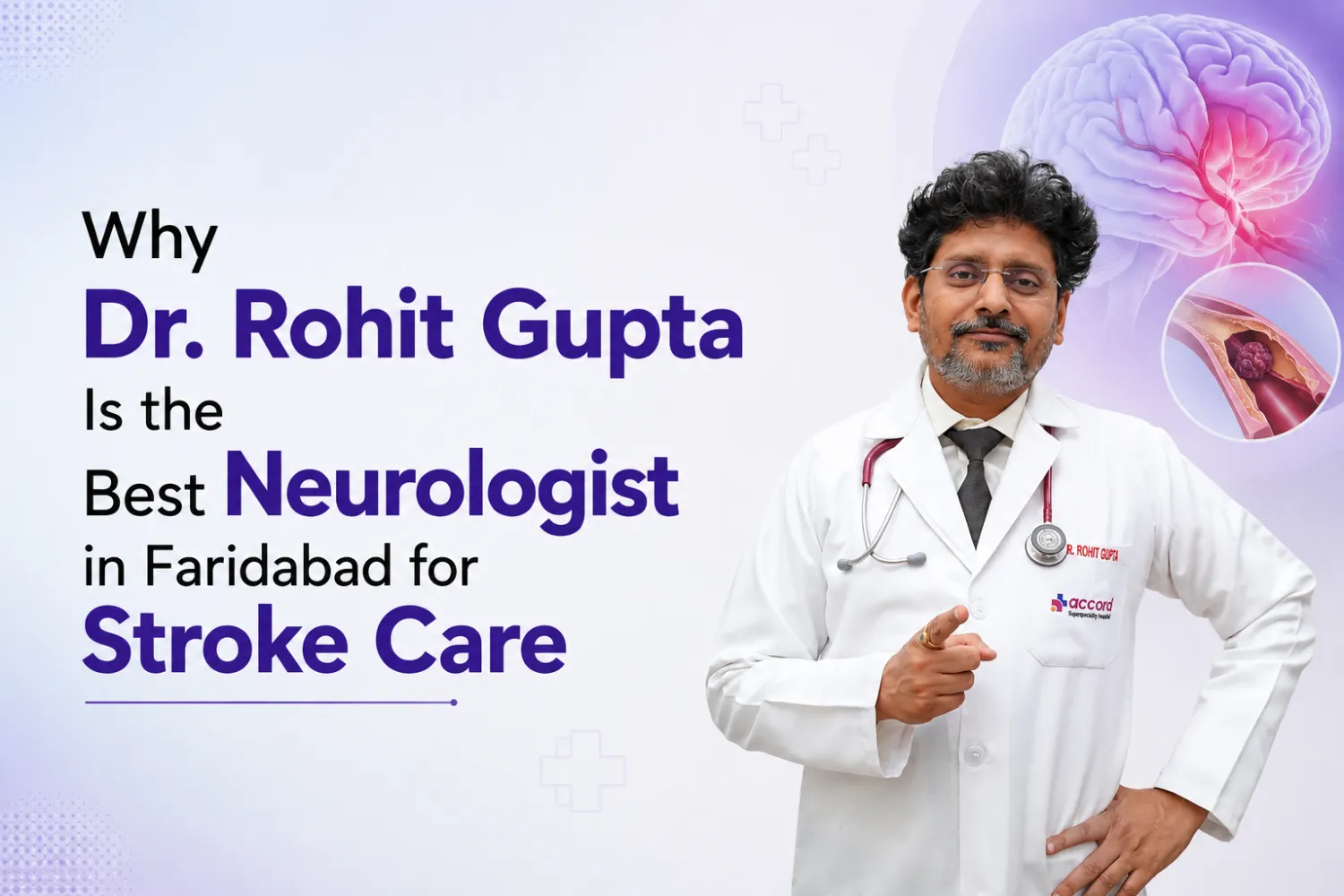
Dr. Rohit Gupta is widely recognized for advanced stroke treatment, paralysis care, migraine management, epilepsy treatment, and neurological rehabilitation.
With expertise in emergency stroke management and compassionate patient care, Dr. Rohit Gupta helps patients receive timely diagnosis and personalized neurological treatment.
Book Your Stroke Consultation Today
If you or your loved one experiences any warning signs of stroke, do not delay treatment.
Early intervention can save the brain, reduce disability, and improve recovery outcomes.
Contact:
- Dr. Rohit Gupta
- Stroke Specialist & Neurologist in Faridabad
- Accord Superspeciality Hospital, Faridabad
- Phone: 09718044428 | 0129-3512000
Frequently Asked Questions (FAQs)
1. What are the first signs of a stroke?
The earliest signs usually include facial drooping, arm weakness, speech difficulty, sudden numbness, or confusion.
2. Can young people get strokes?
Yes. Stroke cases among young adults are increasing due to stress, smoking, obesity, diabetes, and hypertension.
3. How quickly should stroke treatment begin?
Treatment should begin immediately. The first few hours after stroke symptoms appear are known as the “golden period.”
4. Can stroke symptoms go away on their own?
Temporary symptoms may indicate a mini-stroke (TIA), which is still a medical emergency and should never be ignored.
5. Can stroke be prevented?
Yes. Controlling blood pressure, diabetes, cholesterol, and maintaining a healthy lifestyle can significantly reduce stroke risk.
6. Which doctor should I consult for stroke treatment?
A neurologist or stroke specialist is the best doctor for diagnosing and treating stroke-related conditions.
7. Is paralysis always permanent after stroke?
Not always. Early treatment, rehabilitation, physiotherapy, and neurological care can improve recovery significantly.
8. Where can I get stroke treatment in Faridabad?
Dr. Rohit Gupta provides advanced stroke and neurological care at Accord Superspeciality Hospital, Faridabad.


 Book an Appointment