 +91 919718044428
 rohitgpt18@gmail.com






 Thrombolysis in Acute Stroke
  Botolinum Toxin Injection
  Myasthenia Gravis
  Spine Disorders
  Migraine/Headache
  Epilepsy
  Stroke Paralysis
  Parkinson’s disease
  Multiple Sclerosis
  NeuroInfections
  Brain Tumor
  Alzheimer’s Disease
  Back Pain
  Dementia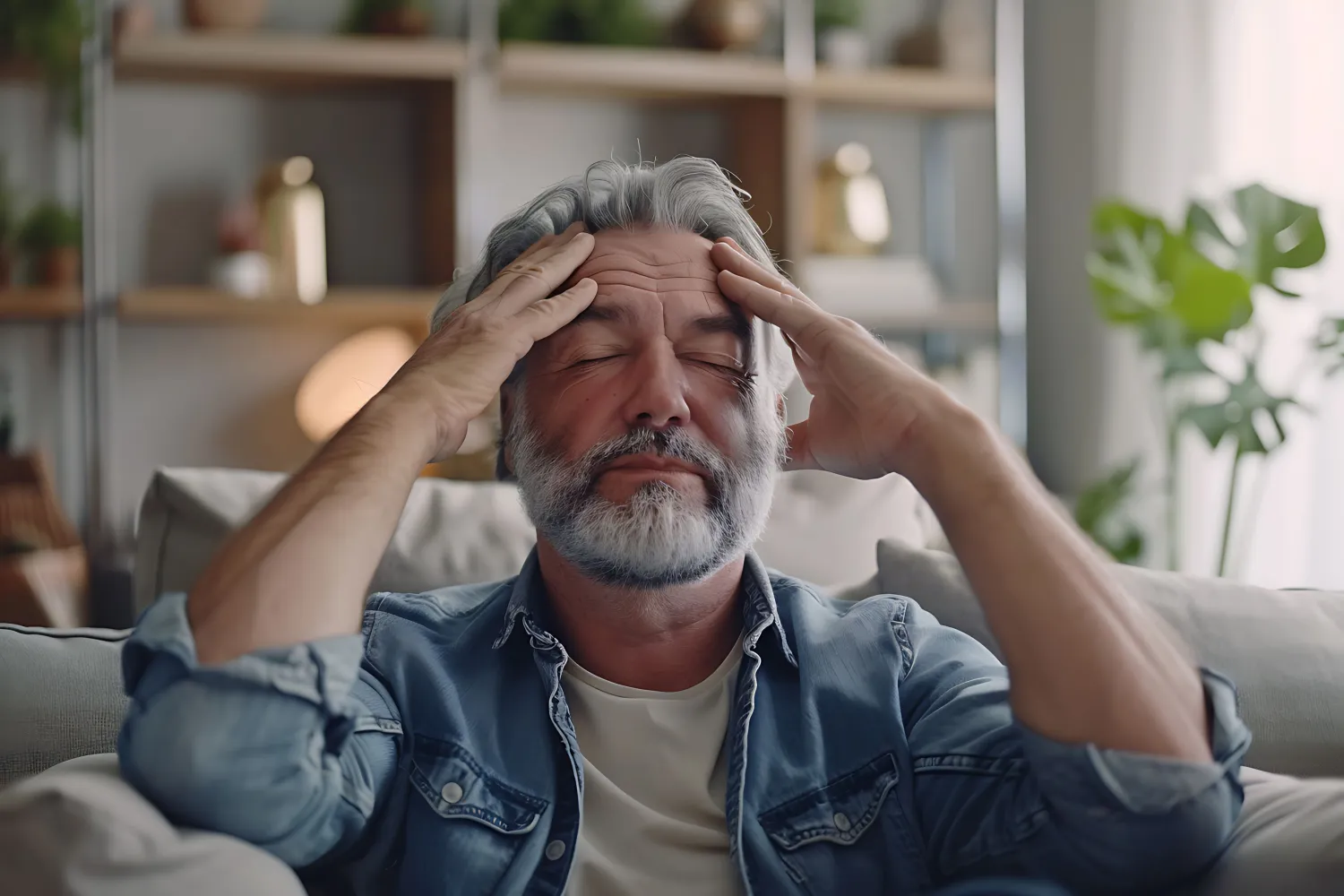
Posted By: Dr. Brahm Datt Pathak on 21 Mar 2026
A brain stroke is a medical emergency that occurs when the blood supply to a part of the brain is suddenly interrupted — either due to a blocked artery (ischemic stroke) or a burst blood vessel (hemorrhagic stroke). Within minutes of oxygen deprivation, brain cells begin to die, making every second critically important. In India, stroke is one of the leading causes of death and long-term disability says Dr Rohit Gupta, Best Neurologist in India for Stroke. Yet, with timely intervention from a skilled neurologist, the chances of survival and full recovery improve dramatically.
Types of Stroke
1. Ischemic Stroke (Most Common — ~85% of cases) Caused by a blood clot blocking an artery supplying the brain. Treated with clot-dissolving medications (thrombolysis) or a procedure called mechanical thrombectomy to physically remove the clot.
2. Hemorrhagic Stroke Caused by a ruptured blood vessel in or around the brain. Treatment focuses on controlling bleeding, reducing brain swelling, and stabilizing blood pressure — sometimes requiring neurosurgery.
3. TIA — Transient Ischemic Attack (“Mini Stroke”) A temporary blockage that resolves on its own but is a serious warning sign of a full stroke. It must never be ignored. A stroke, however short in duration, can be a sign of a full-blown ischemic stroke to come.
Recognize a Stroke: The FAST Test
Time is brain. The FAST method helps identify stroke symptoms instantly:
| Letter | Meaning | What to Look For |
|---|---|---|
| F | Face | Sudden drooping on one side |
| A | Arms | One arm drifts downward when raised |
| S | Speech | Slurred or strange speech |
| T | Time | Call emergency services immediately |
Other warning signs include sudden severe headache, vision loss, dizziness, and loss of balance.
The Golden Hours: Why Speed Saves Lives
Patients who show symptoms of brain stroke like slurring of the voice or weakness on one side of the body should be rushed to a hospital that has MRI scan facilities and a neurologist on board. Such patients can improve dramatically if treatment is provided within the first 6 hours.
Dr. Rohit Gupta emphasizes that arriving at the hospital within this critical window — often called the “golden period” — is the single most important factor in stroke survival and recovery.
How Is Stroke Diagnosed?
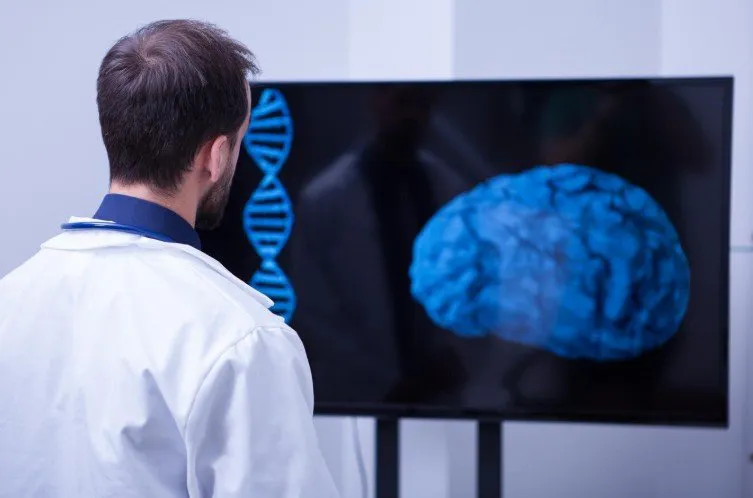
An MRI is the best way to determine when the ischemic stroke started, along with an electrocardiogram (ECG) to test for abnormal heart rhythms, echocardiography to check the heart for clots or abnormalities, an angiography to see which arteries are blocked and how severe the blockage is, and blood tests for cholesterol and clotting problems.
Stroke Treatment Options in India
Ischemic strokes are managed with clot-busting medications (thrombolysis) or mechanical thrombectomy to remove the clot. Hemorrhagic strokes require blood pressure control, medications to reduce brain swelling, or surgical intervention when necessary. Emergency treatment is most effective when given within the first few hours of symptom onset.
Under the expert care of Dr. Rohit Gupta, patients receive a personalized, evidence-based treatment plan combining advanced imaging, interventional neurology, and ICU-level monitoring.
Stroke Rehabilitation & Recovery
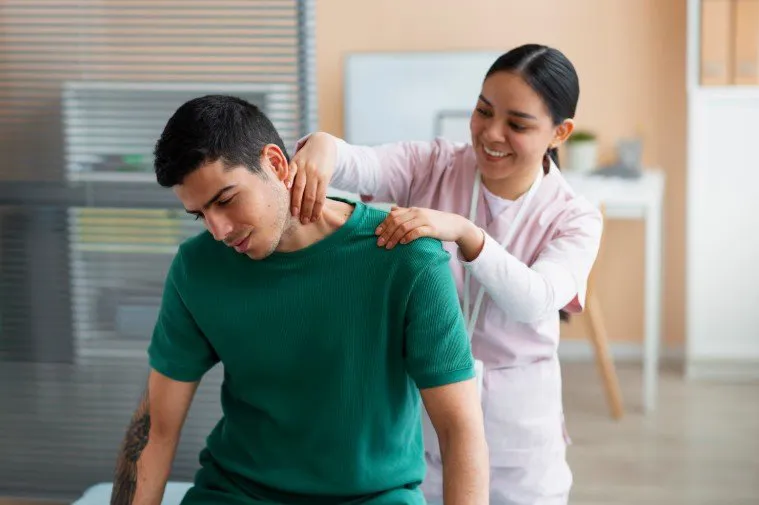
Recovery doesn’t end in the ICU. A structured rehabilitation program is essential. The treatment given by neurologists has to be backed by a team of physiotherapists, as patients of stroke, Alzheimer’s, Parkinson’s, and paralysis all require intensive rehabilitation programmes.
Dr. Rohit Gupta’s approach to stroke care includes:
- Physiotherapy to restore movement and muscle strength
- Speech therapy for patients with communication difficulties
- Occupational therapy to regain daily functional independence
- Long-term follow-up to prevent recurrence
Preventing a Second Stroke
Stroke prevention is as important as treatment. Key strategies include:
- Controlling high blood pressure, diabetes, and cholesterol
- Quitting smoking and reducing alcohol
- Maintaining a healthy weight and active lifestyle
- Regular neurological follow-ups with your specialist
The Future of Stroke Care in India
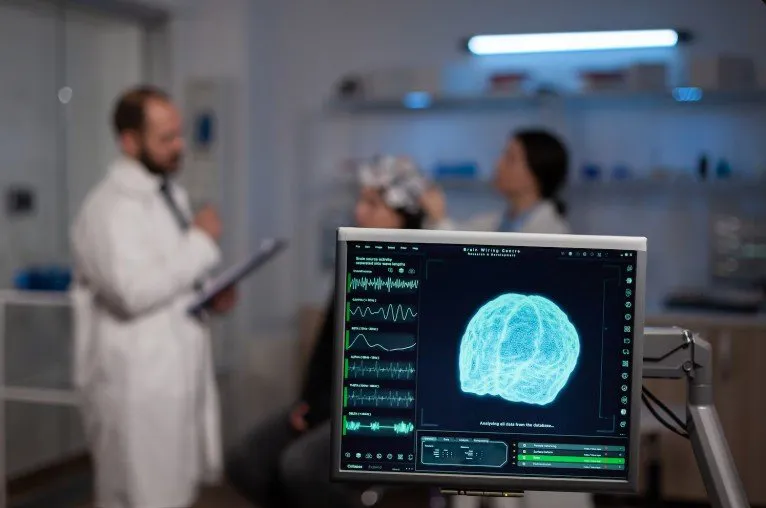
Stroke care is at the threshold of a major transformation, and artificial intelligence is at the heart of this change. AI is no longer a future possibility but a present-day tool that can reduce treatment delays, sharpen clinical decisions, and support precision-driven procedures like thrombectomy and advanced imaging.
Dr. Rohit Gupta stays at the forefront of these advancements, integrating the latest technology to deliver world-class stroke care to patients across India.
Why Choose Dr. Rohit Gupta for Stroke Treatment?
- ✅ Decades of specialized experience in cerebrovascular diseases
- ✅ Expert in thrombolysis and mechanical thrombectomy
- ✅ Holistic, patient-first approach to care and recovery
- ✅ Recognized as one of the best neurologists in India for stroke
- ✅ Comprehensive stroke unit with 24/7 emergency availability
Book a Consultation
If you or a loved one is experiencing stroke symptoms or needs expert neurological evaluation, don’t wait. Contact Dr. Rohit Gupta today for a consultation. Early expert care can make the difference between recovery and lasting disability.
Frequently Asked Questions (FAQs)
Brain Stroke — Answered by Dr. Rohit Gupta, Best Neurologist in India for Stroke
Q1. What is the first sign of a brain stroke?
The very first signs of a brain stroke include sudden numbness or weakness on one side of the face, arm, or leg, difficulty speaking or understanding speech, blurred or loss of vision, and a sudden severe headache with no known cause. Using the FAST test (Face, Arms, Speech, Time) is the easiest way to recognize a stroke instantly. If you notice even one of these signs, call emergency services immediately — do not wait.
Q2. How quickly must a stroke patient reach the hospital?
Time is the most critical factor in stroke treatment. The ideal window is within 4.5 hours for clot-dissolving therapy (thrombolysis) and up to 24 hours for mechanical thrombectomy in selected cases. The sooner the patient reaches a stroke-ready hospital with a neurologist like Dr. Rohit Gupta, the better the chances of full recovery with minimal disability.
Q3. Can a stroke be completely cured?
Yes — many stroke patients recover fully, especially when treatment is received early. Recovery depends on the type of stroke, the area of the brain affected, how quickly treatment was started, and the quality of rehabilitation. With expert neurological care and a structured rehab program, significant — often complete — recovery is achievable.
Q4. What is the difference between a stroke and a mini stroke (TIA)?
A TIA (Transient Ischemic Attack) or “mini stroke” causes stroke-like symptoms that last only a few minutes to hours and resolve on their own. However, a TIA is a serious medical warning — nearly 1 in 5 people who have a TIA will suffer a full stroke within 90 days if left untreated. Dr. Rohit Gupta strongly advises immediate neurological evaluation after any TIA episode.
Q5. What causes a stroke at a young age?
Stroke is no longer just a disease of the elderly. In India, strokes in young adults (ages 18–45) are rising due to:
- Uncontrolled high blood pressure
- Diabetes and obesity
- Smoking and substance abuse
- Stress and sedentary lifestyle
- Heart conditions like atrial fibrillation
- Blood clotting disorders
Young patients deserve the same urgency of care as older patients. Early diagnosis and lifestyle changes can prevent recurrence.
Q6. What is mechanical thrombectomy and who needs it?
Mechanical thrombectomy is a minimally invasive procedure where a specialized catheter is inserted into the blocked artery to physically remove the clot and restore blood flow to the brain. It is recommended for patients with large vessel occlusion ischemic strokes and can be performed up to 24 hours from symptom onset in selected cases. Dr. Rohit Gupta is highly experienced in this advanced stroke intervention technique.
Q7. How long does stroke rehabilitation take?
Stroke rehabilitation is not a one-size-fits-all process. Recovery can range from a few weeks to several months or even years, depending on the severity of the stroke and the patient’s commitment to therapy. A multidisciplinary team — including physiotherapists, speech therapists, and occupational therapists — working alongside a neurologist like Dr. Rohit Gupta gives patients the best chance of regaining independence.
Q8. Can stroke happen again after the first one?
Yes — stroke survivors have a significantly higher risk of a second stroke, particularly in the first few weeks after the first episode. However, with proper medication, lifestyle changes, regular follow-up with a stroke specialist, and control of risk factors like blood pressure, diabetes, and cholesterol, the risk of recurrence can be dramatically reduced.
Q9. Is brain stroke treatment available in India at par with global standards?
Absolutely. India now has world-class stroke care centres offering 24/7 emergency thrombolysis, mechanical thrombectomy, advanced neuroimaging, and comprehensive stroke rehabilitation. Dr. Rohit Gupta, recognized as one of the best neurologists in India for stroke, delivers internationally benchmarked care at accessible costs — making India a preferred destination for stroke treatment even for international patients.
Q10. When should I consult Dr. Rohit Gupta for a stroke-related concern?
You should consult Dr. Rohit Gupta if you or a family member:
- Has experienced any sudden neurological symptoms (weakness, speech issues, vision loss)
- Has had a TIA or mini stroke
- Has a history of stroke and needs follow-up care
- Has high-risk factors like hypertension, diabetes, or atrial fibrillation
- Needs a second opinion on stroke diagnosis or treatment
Early consultation saves lives and prevents disability.



 Book an Appointment